In the constantly changing world of Textiles, it’s pretty clear that Flame Retardant Yarn is more important than ever. I remember hearing industry pro Dr. Emily Hart from FlameSafe Technologies say, “Choosing the right Flame Retardant Yarn can really be the difference-maker when it comes to safety.” That really hits home, because it shows just how crucial these special yarns are in keeping people and property safe.
Flame Retardant Yarn isn’t just about meeting safety standards — it’s also pretty versatile. You see them everywhere, from military uniforms to industrial workwear, and their popularity keeps growing. These materials, like Inherent Flame Retardant Meta Aramid Yarn, are pretty impressive—they resist heat and flames like champs, but they’re also comfortable and durable at the same time. Of course, it’s super important for companies to make sure their products are properly tested and certified.
But here’s the thing: not all Flame Retardant Yarns are created equal. Buyers really should be careful and do their homework. Things like performance, how long they last, and who’s making them — those are the factors to keep in mind. Honestly, there’s still quite a bit of confusion out there about the different options available. Chatting with experts and staying in the loop can really help folks make smarter choices in this pretty crowded market.
Introduction to Flame Retardant Yarns: Importance and Applications
Flame retardant yarns play a crucial role in various industries. They are designed to resist ignition and slow the spread of flames. This quality is essential for enhancing safety in environments where fire hazards exist. Industries such as aerospace, automotive, and construction benefit from these materials. They help protect lives and property from fire risks.
Applications for flame retardant yarns are both diverse and significant. For instance, garments made from these yarns can provide additional protection for firefighters and military personnel. High-performance textiles are essential in such contexts. Fire Retardant Meta Aramid 40/3 Sewing Thread Yarn for Flame Retardant Fabric exemplifies the type of material used in protective clothing. This yarn ensures durability along with its flame-resistant properties.
Despite their benefits, there are challenges to consider. The effectiveness of these materials can vary. It often depends on the specific fibers and treatments used in their production. Buyers must evaluate their needs carefully. Understanding the characteristics of different flame retardant yarns is important. Careful selection can mitigate risks and enhance safety in everyday applications.
Key Attributes of High-Quality Flame Retardant Yarns
When selecting high-quality flame retardant yarns, it's essential to consider several key attributes. First, the material type is crucial. Yarns made from meta and para aramid fibers are known for their excellent flame resistance and durability. These fibers can withstand extreme temperatures while maintaining integrity. For example, Meta Aramid High Strength Flame Retardant Fire Retardant Fabric Aramid Fireproof Yarn Meta/PARA Aramid Sewing Thread 1313 / 1414 demonstrates outstanding performance in various applications.
Pay attention to the yarn’s tensile strength. A higher tensile strength indicates a more robust product that resists breakage under stress. This characteristic is especially important in industries such as aviation and manufacturing, where safety is paramount. Additionally, look for certifications. Reliable flame retardant yarns often undergo rigorous testing to meet safety standards. This testing ensures consistent performance across different environments.
Tips for choosing the right yarn include evaluating your specific application needs. Consider factors like exposure to heat or flame. Don’t overlook the level of comfort and flexibility the yarn provides. While flame retardant properties are critical, user comfort can affect overall satisfaction. Always ask for samples to evaluate performance and make informed choices. Balancing these attributes can enhance safety while addressing functional requirements in any project.
Top Global Manufacturers of Flame Retardant Yarns
When exploring the world of flame retardant yarns, selecting the right manufacturers is crucial. Top global suppliers of flame retardant yarns often focus on materials that not only offer protection but also ensure durability and comfort. Among these options, Meta Aramid Yarn stands out for its exceptional heat resistance. This yarn is often used in protective clothing and industrial applications. Experts regard it as a reliable choice for those requiring enhanced fire safety.
Additionally, the variety of flame retardant yarns on the market can be overwhelming. Key players prioritize research and development to improve their offerings continually. The complexity of creating effective flame retardant materials requires a strong understanding of fabric technology. For instance, Black Flame Retardant Aramid Fiber Yarn 30s/2 exhibits unique qualities that enhance its performance in high-risk environments. While many manufacturers aim for innovation, some still struggle with consistency in quality and production practices.
Moreover, buyers should consider factors like sustainability and performance. The best flame retardant yarns balance functionality with environmentally friendly practices. Manufacturers must work to reduce negative impacts while providing superior safety features in their products. Understanding the dynamics of the flame retardant yarn market is vital for global buyers looking to invest wisely.
Comparative Analysis of Different Types of Flame Retardant Yarns
Flame retardant yarns can significantly improve safety in various applications. With increasing regulations on fire safety, knowing the best options is crucial for global buyers. The market offers multiple types of flame retardant yarns, each with unique properties. For instance, aramid fibers like Kevlar are renowned for heat resistance. According to a recent industry report, these materials can withstand temperatures exceeding 400°F. Their durability makes them a preferred choice in protective clothing.
While evaluating flame retardant yarns, it’s essential to examine their performance in real-world conditions. Temperature resistance alone is not enough; moisture absorption plays a role too. Some fibers retain moisture, which may undermine their protective capabilities. This is a critical aspect that buyers must consider. Factory Direct Cut Resistant Yarn PARA Aramid Kevlar Yarn Flame Retardant Yarn Thread for Glove manufacturing exemplifies this balance.
The choice of yarn type should align with specific applications. Some synthetic fibers offer better flame stability but may lack in flexibility. Other natural fibers provide comfort but might not meet high temperature standards. Buyers should assess these trade-offs carefully. Ensuring compliance with safety regulations while maintaining functionality is a challenging task but essential for responsible sourcing.
Top 10 Flame Retardant Yarn Options
This chart presents a comparative analysis of the top 10 flame retardant yarn options available globally, focusing on their tensile strength and heat resistance ratings.
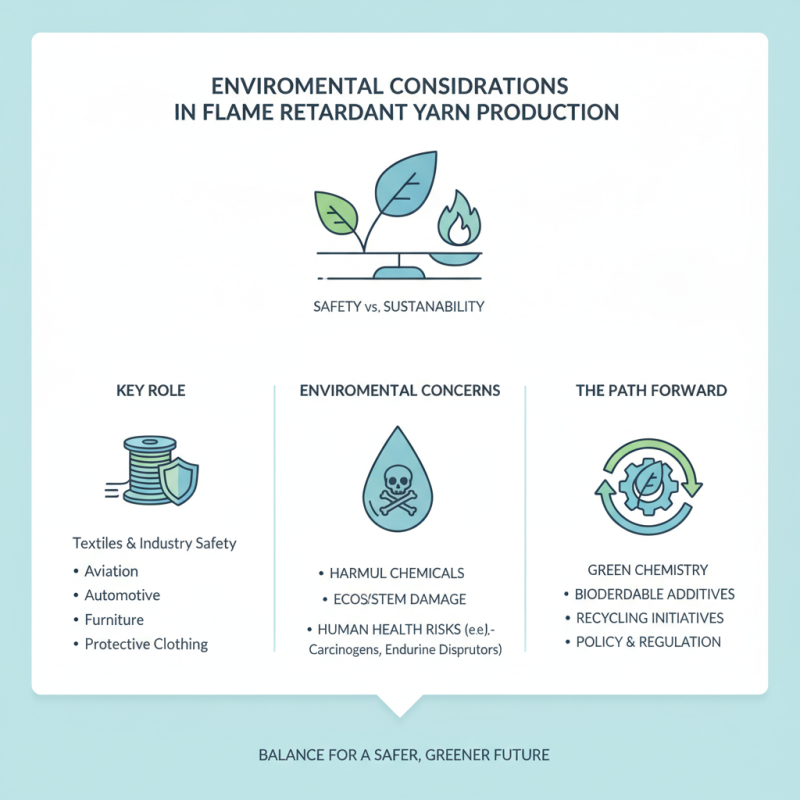
Environmental Considerations in Flame Retardant Yarn Production
Flame retardant yarns play a crucial role in various industries, especially in textiles. However, the production of these materials raises significant environmental concerns. Manufacturers often rely on chemicals that may harm ecosystems and human health. The balance between safety and sustainability is delicate but essential.
Many processes contribute to the environmental impact. For instance, the use of synthetic fibers often increases carbon footprints. Additionally, some flame retardant treatments may release harmful substances during production or disposal. This situation calls for a critical examination of materials used in flame retardant yarns.
Seeking eco-friendly alternatives is vital. Biodegradable and non-toxic treatments are emerging. However, the effectiveness of these alternatives needs thorough testing. Striking a balance between safety and environmental responsibility remains a challenge for producers. Buyers should prioritize suppliers who emphasize sustainable practices and materials. This choice not only benefits the environment but also enhances safety standards in the long run.
Market Trends and Innovations in Flame Retardant Yarn Industry
The flame retardant yarn industry is experiencing notable shifts, driven by increased safety regulations and innovative materials. According to a recent report by the Global Flame Retardants Market Research, the sector is forecasted to grow at a CAGR of 5% over the next five years. This growth is fueled by a rising demand from industries such as automotive, construction, and textiles. Flame retardant yarns are now essential for protective clothing and home furnishings, highlighting their significance in safety applications.
Innovation is key in this market. Companies are developing new formulations that enhance both safety and comfort. Biodegradable flame retardants are trending, appealing to eco-conscious consumers. Estimates suggest that sustainable materials could account for nearly 30% of the market share by 2025. However, creating effective flame retardant yarns that meet safety standards while maintaining functionality remains a challenge. The complexity of balancing performance, comfort, and cost is a recurring theme in industry discussions.
Market players are investing in research to achieve advancements. Yet, some materials are still under scrutiny due to environmental concerns. Regulatory bodies are continually refining standards, which adds pressure to yarn manufacturers. As the industry evolves, keeping pace with these changes demands agility and a commitment to innovation. The path forward is fraught with challenges, but the potential for groundbreaking solutions is immense.
Top 10 Flame Retardant Yarn Options for Global Buyers
| Yarn Type | Material Composition | Flame Retardant Rating | Application Area | Market Trends |
| Para-Aramid | 100% Aramid | UL94 V-0 | Protective Clothing | Increasing Demand in Military Applications |
| Modacrylic | Cotton/Modacrylic Blend | NFPA 2112 | Home Textiles | Growth in Home Safety Products Market |
| FR Nylon | Nylon with Flame Retardant Additives | EN 13501-1 | Industrial Fabrics | Rising Usage in Automotive Industry |
| Tencel FR | Tencel with Special Treatments | OEKO-TEX Standard 100 | Fashion Industry | Emerging Eco-friendly Trends |
| Glass Fiber | Silicate Glass | Class A Fire Rating | Construction Industry | Increasing Infrastructure Development |
| Cotton FR | Cotton with Fire Resistant Treatment | ASTM D6413 | Work Wear | Sustainability Trends in Fabrics |
| Polyester FR | Polyester with Flame Retardant Properties | ISO 11612 | Home Furnishings | Innovation in Textile Treatments |
| FR Viscose | Viscose with FR Treatments | BS EN 11611 | Protective Uniforms | Increased Safety Regulations |
| FR Acetate | Acetate with Flame Retardants | ISO 15025 | Theatrical Fabrics | Creative Trends in Performance Fabrics |
Buying Guide for Flame Retardant Yarns: What to Look For
When selecting flame retardant yarns, consider the key properties that define their effectiveness. Look for materials with high char strength and low smoke generation. According to the International Organization for Standardization, yarns meeting the ISO 15025 standard successfully resist ignition and minimize heat transfer. Weight and density also play critical roles in performance.
Keep in mind that not all flame retardant yarns provide the same level of protection. Some materials may degrade after washing, losing their effectiveness. The National Fire Protection Association highlights the importance of checking the durability of flame-retardant treatments. Make sure to evaluate the certifications related to the yarns to ensure compliance with industry regulations.
Tips: Always request performance data from suppliers. Understanding the testing methods and results helps in making informed decisions. Observe how various environmental factors may affect the yarn's properties. Regular assessments ensure that the flame retardant features remain intact over time.
Innovative Applications and Benefits of Stainless Steel Fiber Spun Yarn in Textile Industry
Stainless steel fiber spun yarn is revolutionizing the textile industry by leveraging the unique properties of stainless steel. As noted in recent industry studies, the global market for stainless steel fibers is projected to grow significantly, with applications ranging from advanced textiles to automotive and aerospace industries. The yarn, crafted from finely drawn stainless steel wires, retains the metal’s inherent properties such as high-temperature resistance and electrical conductivity. These characteristics make it an ideal choice for manufacturing conductive tapes, heat-resistant tubing, and specialized fabrics that require durability in extreme conditions.
One of the most compelling advantages of stainless steel fiber yarn is its versatility in processing methods. It can be easily integrated into various textile production techniques including braiding, knitting, and weaving. According to a report from the Textile Association, the integration of stainless steel fibers into textiles can enhance their overall performance, allowing for the creation of fabrics that not only withstand high temperatures but also possess conductive capabilities. This adaptability opens a multitude of avenues for innovation in the production of protective clothing, smart textiles, and other high-performance materials tailored for specific industrial applications. The increasing demand for materials that can perform under extreme conditions only underscores the significance of stainless steel fiber spun yarn in modern textile engineering.
FAQS
: Yarns made from meta and para aramid fibers provide excellent flame resistance and durability.
Higher tensile strength means the yarn is less likely to break under stress, ensuring safety in critical applications.
Evaluate your application needs, exposure to flame, comfort, and flexibility. Ask for samples to assess performance.
Industries like automotive, construction, and textiles are increasingly demanding flame retardant yarns for safety in products.
Innovations include biodegradable flame retardants and sustainable materials, appealing to eco-conscious consumers.
Balancing performance, comfort, and regulatory standards remains difficult while meeting consumer expectations and safety requirements.
The industry is forecasted to grow at a CAGR of 5% over the next five years, driven by safety demands.
User comfort influences overall satisfaction, making it essential to balance flame retardant properties with flexibility.
Continuous refinement of standards puts pressure on manufacturers to innovate while ensuring safety and environmental compliance.
Conclusion
Flame Retardant Yarn plays a crucial role in enhancing safety across various applications, particularly in industries where fire risk is a significant concern. This article delves into the importance of these specialized yarns, highlighting their key attributes such as durability, performance under heat, and compliance with safety standards. Moreover, it examines the leading manufacturers in the market and provides a comparative analysis of different types of Flame Retardant Yarns, helping buyers make informed choices based on their specific needs.
Additionally, the article addresses environmental considerations associated with the production of Flame Retardant Yarns, emphasizing the industry's shift towards sustainable practices. Market trends and innovations are discussed, showcasing advancements that improve functionality and safety. Lastly, a comprehensive buying guide outlines essential factors for selecting the right Flame Retardant Yarn, ensuring that buyers prioritize quality and effectiveness in their procurement decisions.